Is Mammoth Hot Springs Worth It? Yellowstone's Dynamic Terraces Explained
Yellowstone National Park, a land of geothermal wonders, is famous for its gushing geysers and bubbling mud pots. But nestled in its northern reaches lies a geological marvel that defies expectations:
Mammoth Hot Springs in Yellowstone National Park. Far from the explosive theatrics of Old Faithful, Mammoth presents an otherworldly landscape of white, terraced formations, constantly reshaped by the earth's unseen forces. The burning question for many travelers planning their Yellowstone adventure is often, "Is Mammoth Hot Springs worth the visit?" The unequivocal answer is yes, and delving into its unique geology, rich history, and ever-changing beauty reveals precisely why it's not just a worthwhile stop, but an absolutely essential one.
What Makes Mammoth Hot Springs So Unique? A Living, Breathing Landscape
Unlike the more common silica-based geyser formations found elsewhere in Yellowstone,
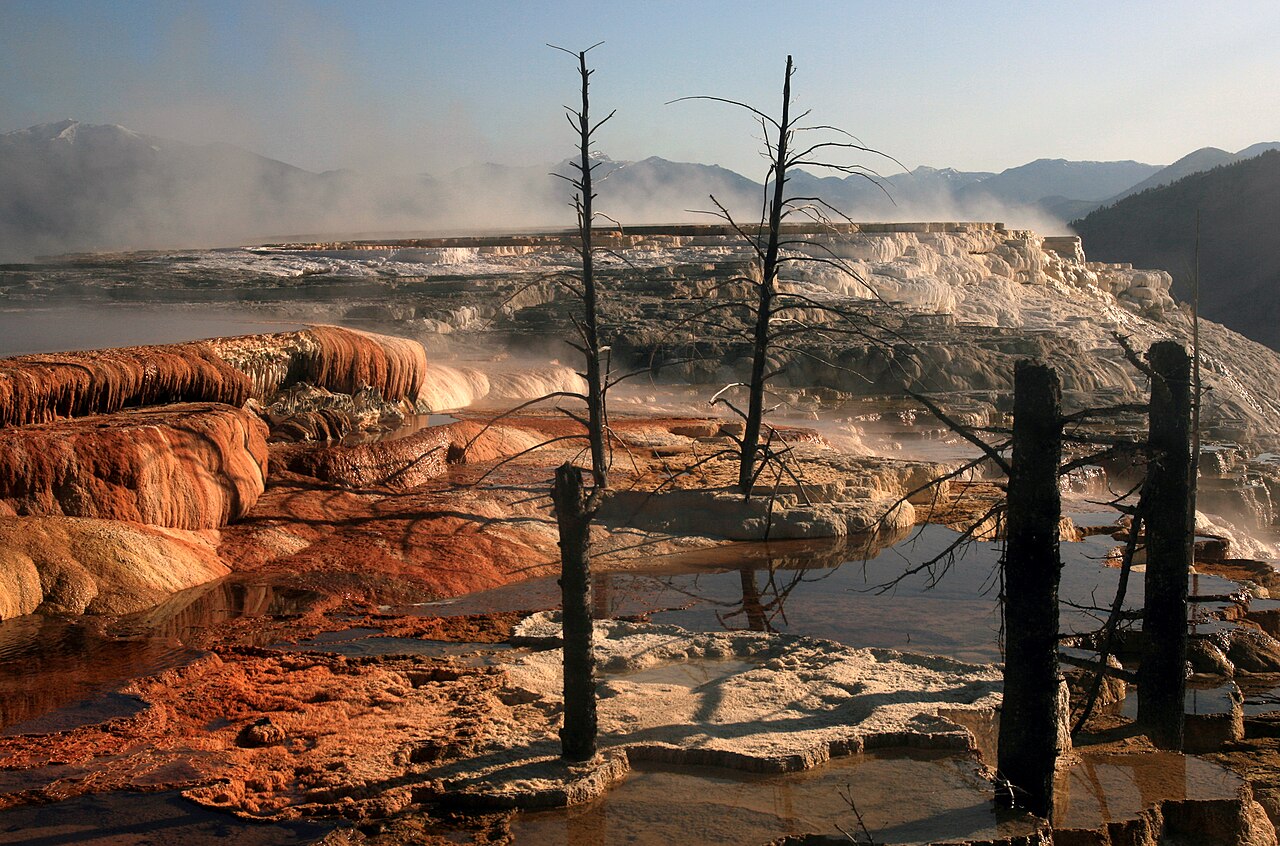
Mammoth Hot Springs is renowned for its incredible travertine terraces. Picture a landscape that seems to breathe, with intricate layers of mineral deposits forming cascading staircases of white, peach, yellow, and sometimes even a ghostly gray. These formations aren't static; they are in a perpetual state of flux, making each visit a unique experience.
The dynamic nature of
Mammoth Hot Springs in Yellowstone National Park is its most compelling feature. One day, you might witness a spring vigorously flowing, creating vibrant, new terraces; the next, that same spot could be dry, leaving behind a stark white ruin, reminiscent of a petrified waterfall. This "on-again-off-again" activity is the rule rather than the exception. Springs shift locations, some dry up completely, while new ones spontaneously burst forth elsewhere. This constant geological dance is driven by the internal plumbing of the earth, where water finds new pathways through the porous limestone. It means that the landscape you explored last year will inevitably have transformed, offering fresh vistas and new discoveries. It's truly a testament to nature's relentless artistry, a living sculpture garden shaped by heat, water, and rock. To understand more about this incredible transformation, explore
Mammoth Hot Springs: Yellowstone's Ever-Changing Travertine Wonderland.
The Science Behind the Spectacle: How Mammoth's Terraces Form
The stunning, cavernous formations of
Mammoth Hot Springs are a direct result of a fascinating geological process involving heat, water, and limestone. It begins when rain and snowmelt seep deep underground, where they encounter magma chambers, superheating the water. As this hot water rises back towards the surface, it travels through vast deposits of limestone, a soft, easily dissolved sedimentary rock. The hot, acidic water acts like a solvent, dissolving large quantities of calcium carbonate from the limestone, enriching the water with minerals.
Upon reaching the surface, this mineral-laden, superheated water cools and releases carbon dioxide. This chemical reaction causes the dissolved calcium carbonate to precipitate out of the water, forming a soft, chalky mineral known as travertine. Unlike the silica sinter deposits of other thermal areas, travertine builds much more rapidly due to the softer nature of limestone and the chemistry of its formation. As the mineral-rich water flows over the hillside, it deposits layer upon layer of travertine, gradually building the intricate, cascading terraces. The vibrant hues of newly formed terraces – white, peach, or yellow – are often due to various thermophiles, microscopic organisms that thrive in the hot, mineral-rich water. Older, inactive terraces tend to fade to a ghostly gray as the flow shifts, adding to the dramatic contrast and reinforcing the transient beauty of
Mammoth Hot Springs in Yellowstone National Park. The sheer volume of water discharged by the springs remains remarkably consistent, even as their surface expressions continuously change.
Beyond the Terraces: A Journey Through History at Fort Yellowstone
While the geothermal wonders are the undeniable centerpiece,
Mammoth Hot Springs in Yellowstone National Park offers much more than just geological spectacle. It's also the historical heart of the park, home to the iconic Fort Yellowstone district, where the park's headquarters are still located today. The story of Yellowstone as the world's first national park is inextricably linked to this site. When Yellowstone was established in 1872, the concept of a national park was brand new, and there was no infrastructure or dedicated ranger force to protect it.
Enter the U.S. Army. Tasked with managing and protecting this vast wilderness from poaching, vandalism, and unregulated development, the soldiers found themselves facing a challenging, wild frontier. After several harsh winters, it became clear they needed a permanent base of operations, not only for the troops but also for their families and the growing stream of tourists. Thus, in 1891, construction began on the first official building, the guardhouse, marking the birth of Fort Yellowstone. The fort continued to expand into the 1930s, leaving behind a significant architectural legacy.
Today, a stroll through the village reveals many of these beautifully preserved historic structures. You can admire the classic frontier architecture of the Mammoth Hot Springs Hotel, the old post office, and the barracks – buildings that evoke the spirit of the park's early days. Many have been renovated but retain their original character, offering a tangible link to the past. Keep an eye out for Yellowstone's most famous "locals" – elk often graze casually on the lawns of the fort, adding to the unique atmosphere. For those eager to delve deeper into this rich heritage, the Albright Visitor Center is an invaluable resource, featuring engaging exhibits on both Yellowstone’s extraordinary geothermal phenomena and its compelling human history. To learn more about this fascinating period, check out
y-a-historical-guide-to-mammoth-hot-springs.html">Fort Yellowstone's Legacy: A Historical Guide to Mammoth Hot Springs.
Planning Your Visit to Mammoth Hot Springs: Tips for an Unforgettable Experience
Visiting
Mammoth Hot Springs in Yellowstone National Park requires a slightly different approach than exploring other thermal areas. Here are some practical tips to maximize your experience:
- Embrace the Change: Understand that the terraces are dynamic. Your favorite spring from a previous photo might be dry, but new, vibrant activity will be happening elsewhere. This is the beauty of Mammoth!
- Explore Both Levels: Mammoth is typically divided into the Upper Terraces and the Lower Terraces. The Upper Terraces can often be viewed from a scenic one-way drive with various pull-offs and short walks, offering panoramic views. The Lower Terraces, including iconic features like Liberty Cap and Minerva Terrace, are best explored via an extensive boardwalk system that allows for close-up views.
- Wear Appropriate Footwear: Comfortable walking shoes are essential, as you'll be covering significant ground on boardwalks and paved paths.
- Best Time to Visit: While beautiful year-round, spring offers lush greenery and vibrant flows, summer is bustling, and fall provides crisp air and fewer crowds. Winter transforms Mammoth into a stark, icy wonderland, with steam rising dramatically from the warm springs against a snowy backdrop – a truly magical experience for those prepared for cold weather.
- Look for Wildlife: The Mammoth village and surrounding areas are prime elk habitat. It's common to see large herds grazing, especially in the mornings and evenings. Always maintain a safe distance.
- Visit the Albright Visitor Center: Don't skip this resource. It provides valuable context for both the geological formations and the human history of Fort Yellowstone, enhancing your understanding and appreciation of the area.
- Stay Hydrated: Even on cool days, walking can be strenuous, especially at elevation. Carry water.
Conclusion: Mammoth Hot Springs is a Must-See Yellowstone Gem
So, is
Mammoth Hot Springs in Yellowstone National Park worth it? Absolutely. It stands as a profound testament to the Earth's continuous geological artistry, offering an experience vastly different from any other thermal area in the park. Its unique travertine terraces, constantly shifting and reshaping, provide a dynamic spectacle that ensures no two visits are ever quite the same. Beyond its geological allure, the historic Fort Yellowstone district adds a rich layer of human history, connecting visitors to the park's pioneering past. Mammoth Hot Springs isn't just a collection of hot springs; it's a living, breathing landscape where nature and history converge. For anyone seeking to fully grasp the diverse wonders of Yellowstone, a journey to Mammoth Hot Springs is not merely recommended, but an indispensable highlight of an unforgettable national park adventure.